
Preparing Your Home for a Kitchen Remodel: The High-Performance Logistics Guide
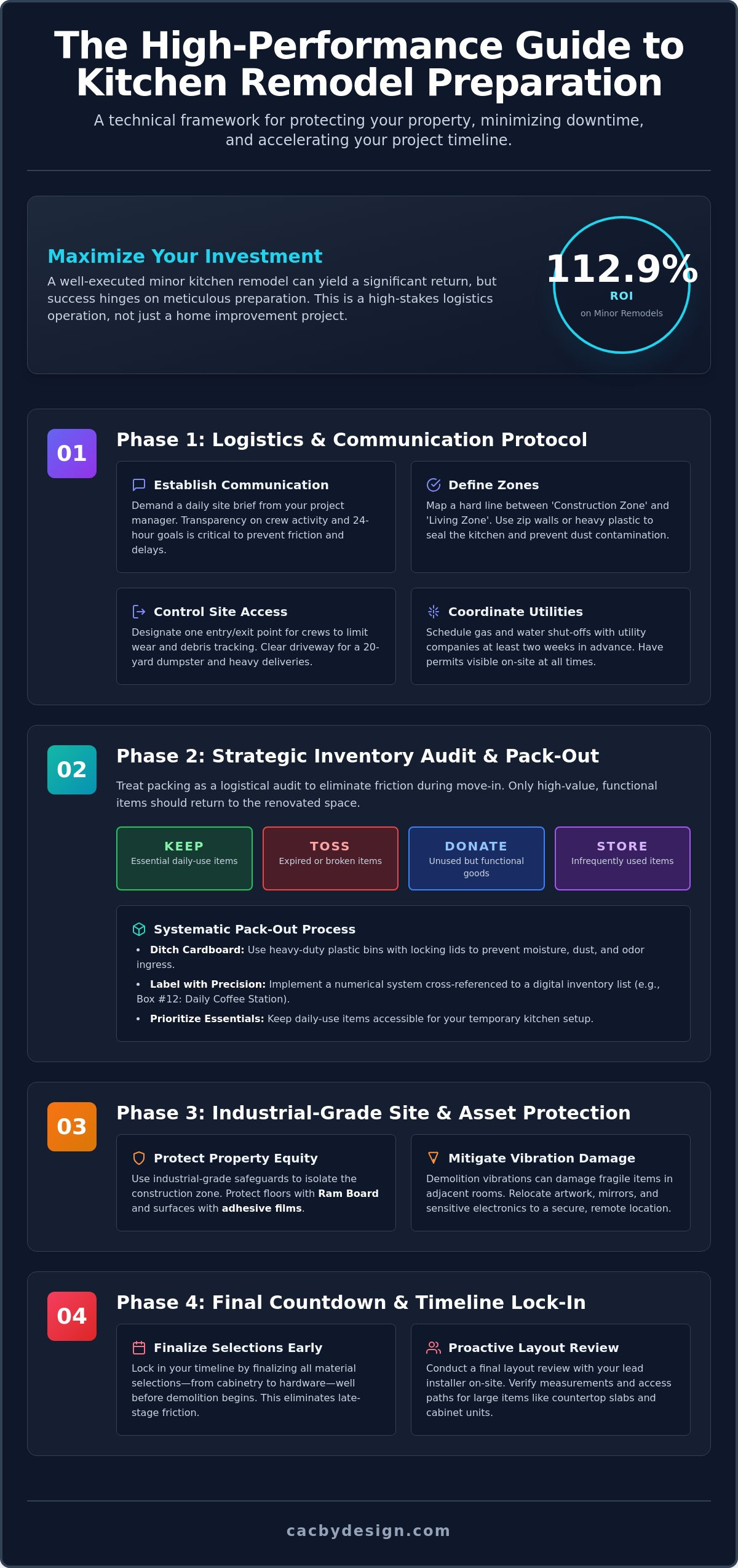
A kitchen renovation isn't just a home improvement project. It's a high-stakes logistics operation where every hour of delay erodes your equity and tests your sanity. Preparing your home for a kitchen remodel is the only way to ensure the process remains a controlled upgrade rather than a total collapse of your domestic infrastructure. You already know the risks. You're bracing for construction dust to infiltrate every room and the frustration of losing your daily meal prep routine. It's a valid concern for any homeowner aiming for that 112.9% return on investment seen in high-performing minor remodels.
This guide moves beyond simple decluttering. We're presenting a technical framework designed to protect your property and accelerate your project timeline. You'll learn how to engineer a functional temporary living setup and implement site protection protocols that keep your non-renovated areas pristine. We are stripping away the guesswork to provide a logical progression from site prep to final installation. This is how you maintain speed, clarity, and total control over your environment during a full-scale transformation.
Table of Contents
The Logistics of a High-Performance Kitchen Remodel
Prep isn't a chore. It's a high-stakes risk mitigation strategy. When preparing your home for a kitchen remodel, you are engineering a workspace that minimizes downtime and protects your primary asset. Traditional homeowners wait for things to happen. Ambitious leaders create the environment for success. This phase is about the mechanics of The Logistics of a High-Performance Kitchen Remodel. You are managing a construction site inside your living space. Treat it like one.
Establish a hard communication protocol immediately. Demand a daily site brief from your project manager. This isn't about micromanaging; it's about data. You need to know which trades are on-site and what the 24-hour goal is. Clarity prevents friction. If the schedule shifts, you need to know why and how it impacts the final delivery date. Speed is the byproduct of transparency.
Map your house with precision. Draw a hard line between the 'Construction Zone' and the 'Living Zone'. Cross-contamination is the enemy of a functional home. Use zip walls or heavy plastic to seal the kitchen area. Designate one specific entry and exit point for crews. This strategy limits floor wear to a single path. It protects the rest of your home's square footage from tracking debris and dust into non-renovated areas.
Site Access and Structural Considerations
Clear the driveway. A standard kitchen remodel requires dedicated space for a 20-yard dumpster and heavy delivery trucks. You don't want a 1,000-pound slab of quartz countertops delayed because a sedan is blocking the path. Measure your hallways and doorways. When verifying path widths for custom cabinetry installation in West Chester, OH homes, consider the largest units first. Every inch matters for speed. Ensure the delivery route is clear of furniture and obstacles before the truck arrives to avoid costly on-site delays.
Local Cincinnati Permitting and Utility Logistics
Logistics include the legal and technical side of preparing your home for a kitchen remodel. In Hamilton County, permits must be visible on-site at all times. Don't let a missing piece of paper halt your momentum. Coordinate with Duke Energy or Greater Cincinnati Water Works for gas and water shut-off schedules. Do this at least two weeks out to avoid scheduling conflicts. Schedule your initial rough-in inspections before the first hammer swings. This proactive approach prevents mid-project bottlenecks that kill timelines. You aren't just building a kitchen; you are managing a high-performance funnel toward completion.
Inventory Management: Protecting Your Assets and Equity
Inventory management is often the weakest link in a renovation timeline. High-performance homeowners don't treat packing like a casual spring cleaning task. They treat it like a logistical audit. Preparing your home for a kitchen remodel requires a cold, analytical look at your current assets. If an item doesn't serve the future state of your kitchen, it shouldn't occupy space in your temporary setup or your new cabinetry. Execute a strict four-tier audit: Keep, Toss, Donate, and Store. This process eliminates friction and ensures that only high-value items return to your renovated space.
Asset protection extends beyond the kitchen walls. Demolition is a violent process. Vibrations travel through floor joists and wall studs, putting fragile artwork and sensitive electronics in adjacent rooms at risk. Relocate these items early. Construction also introduces localized humidity and dust. Secure your high-value possessions in a climate-controlled area far from the construction zone. This is a strategic move to preserve your home's equity and prevent avoidable damage. While you're auditing your current inventory, it's the perfect time to explore modern cabinet hardware that matches your new aesthetic and functional requirements.
The Systematic Pack-Out Process
Ditch the cardboard. Cardboard is porous, flimsy, and absorbs construction odors. Use heavy-duty plastic bins with locking lids to prevent moisture and dust ingress. Implement a numerical labeling system cross-referenced to a digital inventory list on your phone. Box #12 should mean "Daily Coffee Station" not "Misc Kitchen." This level of detail allows you to prioritize 'Daily Essentials' for your temporary culinary hub while keeping the rest of your inventory accessible but out of the way. It turns the move-in phase from a week-long headache into a 48-hour sprint.
Protecting Non-Renovated Spaces
Construction dust is a fine-particle enemy that infiltrates HVAC systems and ruins soft goods. Seal off every HVAC register in the kitchen and immediate transition areas to prevent dust circulation throughout the house. Deploy tension-pole dust barriers to create a pressurized seal around the work zone. Strip all window treatments and wall decor within a 15-foot radius of the construction entry point. These small, tactical steps ensure that the mess stays contained, protecting your living environment and reducing post-project cleaning costs. Logic dictates that total isolation is the only way to maintain a functional home during a major overhaul.
Engineering Your Temporary Culinary Hub
Efficiency doesn't stop because your range is disconnected. When preparing your home for a kitchen remodel, you must engineer a temporary culinary hub that functions with the precision of a professional galley. This isn't about roughing it with a microwave on a cardboard box. It's about maintaining your nutritional and operational standards while your primary kitchen is offline. Select a location based on two non-negotiable metrics: water access and electrical load capacity.
Most small appliances, like toaster ovens and induction plates, pull significant amperage. Plugging multiple high-draw devices into a single 15-amp circuit will trigger a breaker and kill your momentum. Identify a zone, such as a finished basement or a large laundry room, served by multiple circuits. This is where you'll establish your 'Grab-and-Go' station. Keep your coffee, high-energy snacks, and quick-prep items here to minimize movement through the house. Logic dictates that a centralized hub reduces friction and keeps your daily routine intact.
Sanitation is the biggest hurdle in a temporary setup. Standardize a dishwashing station using a utility sink or a bathroom vanity. If you're using a bathroom, clear the counter entirely to avoid cross-contamination. Use a plastic dish tub to transport items from the cooking zone to the wash zone. Streamline the process by optimizing a 'Remodel Menu.' Focus on meals that require minimal prep and zero heavy scrubbing. High-performance living requires high-performance planning.
Essential Hardware for the Temporary Kitchen
Speed is your primary lever for success. Induction hot plates outperform slow cookers by delivering instant heat and precise control. They are the high-performance choice for searing or boiling. A robust toaster oven acts as your range replacement, handling everything from roasting vegetables to baking proteins. If your remodel involves moving the refrigerator, consider a compact unit for the hub. It keeps essentials within reach and prevents unnecessary trips into the construction zone.
Operational Efficiency in a Small Space
Space is a premium asset. Set up a sturdy folding table to serve as your temporary countertop. It provides the necessary surface area for prep work without the permanence of furniture. Stock compostable dinnerware to slash your cleanup labor by 80%. This isn't just about convenience; it's about reclaiming time. Organize a dedicated 'pantry' shelf for dry goods and spices. Having a visible, organized inventory prevents double-buying and keeps your temporary workspace tight and professional.
Technical Safeguards: Protecting Floors and Surfaces
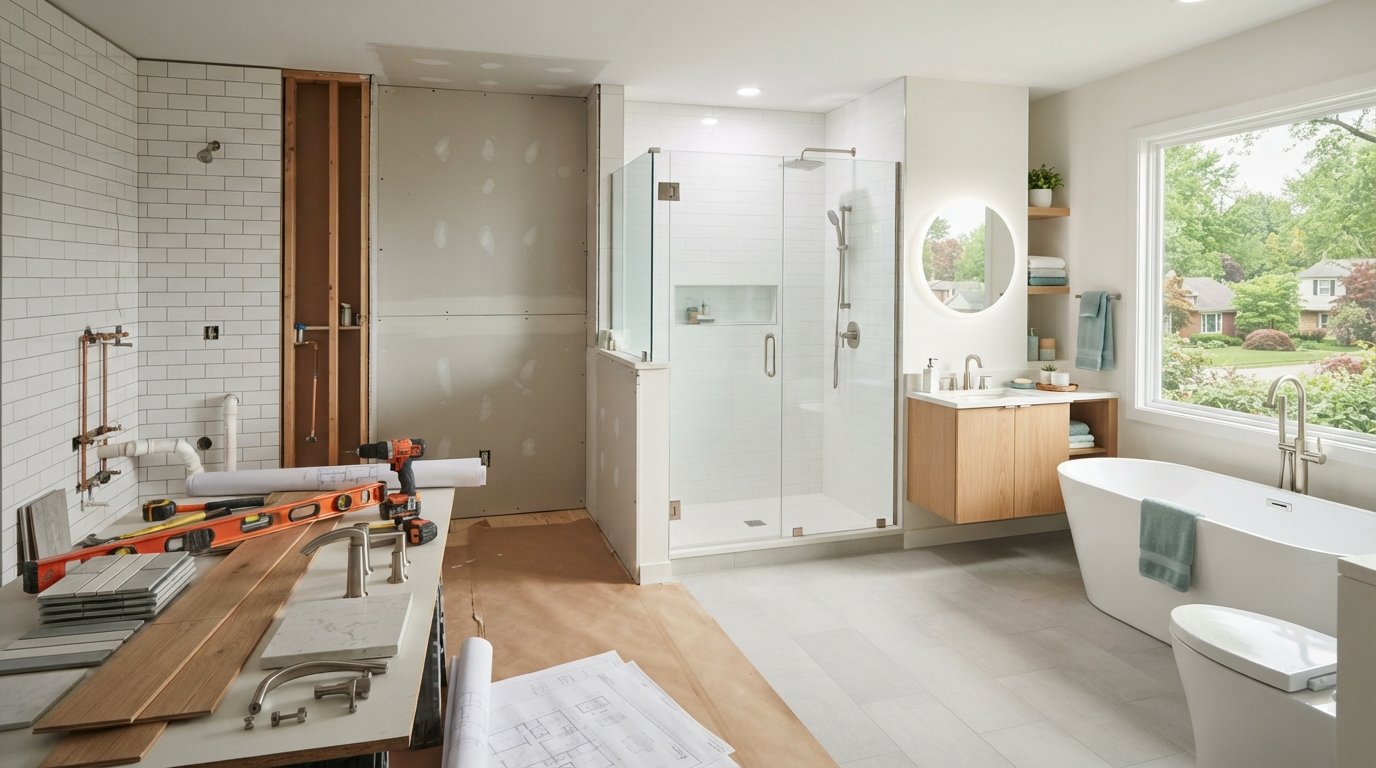
Surface protection is a non-negotiable engineering requirement. When preparing your home for a kitchen remodel, you must deploy industrial-grade barriers to isolate the construction zone from your high-value living areas. Standard drop cloths are insufficient for high-traffic environments. Use Ram Board or heavy-duty floor protection for hardwood and tile paths. This material withstands the impact of dropped tools and heavy debris that would otherwise compromise your flooring. For carpeted transition areas, apply adhesive carpet film. It provides a puncture-resistant seal that won't shift underfoot during active work hours.
Heavy stone transport requires specialized logistics. When moving granite or quartzite slabs, the concentrated weight can crush standard door sills or crack tile entries. Install temporary threshold ramps to distribute the load and protect your home's structural integrity. Once the high-impact dust phases are complete, schedule professional duct cleaning immediately. This prevents construction particulates from cycling through your HVAC system and degrading your long-term indoor air quality. If you want to ensure your renovation meets these high-performance standards, partner with a full kitchen remodel expert who prioritizes site protection as much as aesthetic output.
Managing the 'Dust Envelope'
Negative air pressure is the gold standard for dust control. By placing high-volume fans in windows and sealing off the rest of the room, you pull particulates out of the house rather than letting them settle. Implement the 'Double-Barrier' method for every doorway. Use a combination of zip-walls and adhesive plastic sheeting to create an airlock. Change your HVAC filters weekly during active demolition and sanding. This proactive maintenance protects your furnace blower motor from premature failure caused by fine-grit infiltration.
Pet and Family Safety Protocols
Construction zones are inherently dangerous for non-personnel. Set up 'No-Go' zones for pets using baby gates or temporary walls to prevent curious animals from entering the workspace. Schedule loud demolition phases during school or work hours to minimize the psychological impact of the noise. Establish a 'Safe Room' in a distant part of the house that remains 100% dust and noise-free. This room serves as your psychological anchor, allowing you to maintain focus and productivity while the technical work progresses elsewhere. Logic and safety must always override convenience.
The Final Countdown: Partnering with Countertops and Cabinetry By Design
The transition from preparation to execution is the most critical phase of your renovation. High-performance projects don't leave details to chance. Finalizing your material selections at our Cincinnati showroom is the final gate in the process. Late-stage changes are the primary drivers of budget inflation and schedule slippage. By locking in every finish and fixture before demolition begins, you eliminate the friction that stalls traditional renovations. Preparing your home for a kitchen remodel concludes with a high-stakes alignment of your vision and our technical output.
Review the custom cabinets West Chester OH layout with your lead installer on-site. This is a technical verification of spatial tolerances and structural supports. Conduct a comprehensive pre-construction walkthrough to ensure every protection measure is active. Verify the Ram Board is taped and the dust barriers are pressurized. Finally, establish a hard 'Daily Out' time for the crew. Maintaining your family's evening privacy is essential for sustaining a functional home life during the construction cycle. Clear boundaries lead to better outcomes.
Leveraging In-House Craftsmanship
Control is the ultimate currency. Our in-house team ensures total oversight of site cleanliness and operational schedules. We don't outsource our reputation to third-party contractors. This vertical integration allows us to coordinate the fabrication of granite countertops in Cincinnati in perfect sync with your cabinetry installation. A single-source partner for both stone and cabinetry eliminates the communication gaps that plague fragmented projects. You get one timeline, one standard of quality, and zero excuses.
Final Readiness Checklist
Run the numbers one last time before the first hammer swings. Success in a remodel is a byproduct of meticulous data verification. Ensure your checklist includes these final items:
Confirm all appliances are on-site or locked into a 'Just-in-Time' delivery window.
Verify the exact location of electrical outlets and plumbing rough-ins to prevent rework.
Document the current state of your space with high-resolution 'Before' photos.
Establish a clear staging area for daily material deliveries.
Ready to start your transformation? Schedule your pre-construction consultation today to lock in your project timeline and experience the efficiency of a high-performance remodel.
Dominate Your Renovation Timeline
Success isn't found in the chaos of a demolition; it's engineered through the rigorous logistics of preparation. By isolating your construction zone, auditing your inventory, and establishing a high-efficiency temporary hub, you've already mitigated the primary risks of project downtime. Preparing your home for a kitchen remodel is the difference between a stalled renovation and a high-performance transformation that respects your time and property equity. You've built the framework. Now it's time to execute with precision.
We've spent over two decades refining our comprehensive design-to-installation system. As a family-owned and operated business since 2004, we don't rely on guesswork. Our in-house team of expert craftsmen handles every technical nuance of your project to ensure a seamless transition from concept to completion. You deserve a partner that values speed, clarity, and market dominance as much as you do. Start your high-performance kitchen remodel with Countertops and Cabinetry By Design and take control of your home's future today. Your vision is ready for installation.
High-Performance Renovation FAQs
How long does a typical kitchen remodel take in Cincinnati?
Timelines vary based on scope, but a standard mid-range renovation typically spans eight to twelve weeks. Custom cabinetry or major structural changes can extend this by several weeks. We prioritize a streamlined schedule to minimize downtime. Efficient planning ensures that the fabrication and installation phases overlap where possible to accelerate the final delivery and maintain project momentum.
Can I stay in my home during a full kitchen renovation?
You can stay in your home if you engineer a functional temporary kitchen. You'll lose access to your primary cooking and cleaning zone for the duration of the project. If the noise or dust becomes a disruption to your professional performance, consider off-site arrangements during the heavy demolition phase. Most homeowners manage by establishing a secondary culinary hub in a basement or laundry area.
What is the best way to handle construction dust?
Negative air pressure and physical barriers are the only effective way to isolate particulates. Seal every HVAC register in the work zone and deploy tension-pole plastic barriers at all entry points. High-performance dust management requires changing your furnace filters weekly and scheduling professional duct cleaning once the sanding and demolition phases conclude. This prevents fine-grit infiltration into your non-renovated living areas.
Do I need to move all my furniture out of the rooms adjacent to the kitchen?
Clear any furniture within a ten-foot radius of the construction zone to prevent damage. Vibrations from demolition can impact fragile items or electronics in neighboring rooms. Removing these assets is a proactive step in preparing your home for a kitchen remodel. It protects your equity and provides crews with the necessary clearance to transport heavy materials like quartz slabs or large cabinetry units.
Should I buy my appliances before the remodel starts?
Secure your appliances early to ensure the cabinetry and countertop dimensions are 100% accurate. You don't need them on-site for demolition, but having them staged for "Just-in-Time" delivery prevents installation bottlenecks. Verify the specific technical requirements for gas and electrical connections before the rough-in phase begins. This data-driven approach eliminates late-stage rework and keeps the project on a tight track toward completion.
How do I ensure my pets stay safe during construction?
Isolate your pets in a dedicated room or use heavy-duty baby gates to create hard "No-Go" zones. Construction sites are hazardous environments with sharp debris and high noise levels. If your pet is sensitive to loud machinery, consider boarding them during the most aggressive demolition days. Maintaining a clear boundary between animals and the workspace is a non-negotiable safety protocol for any high-performance renovation.
What should I do if I find mold or structural issues during demolition?
Stop work immediately and consult with your project manager to assess the technical impact. Hidden issues like mold or structural rot require professional remediation before the remodel can proceed. These discoveries can shift your timeline and budget, but ignoring them compromises the long-term integrity of your new kitchen. We address these challenges with direct, transparent solutions to ensure your home meets modern building standards.
How often should I meet with my project manager?
Demand a daily site brief to maintain total visibility over the project's progress. These meetings don't need to be long; a five-minute update on the day's goals and any logistical hurdles is sufficient. Consistent communication ensures that everyone is aligned on the 24-hour objectives. It eliminates the guesswork and keeps the momentum high as you move from the initial demolition toward the final installation phase.


Comments